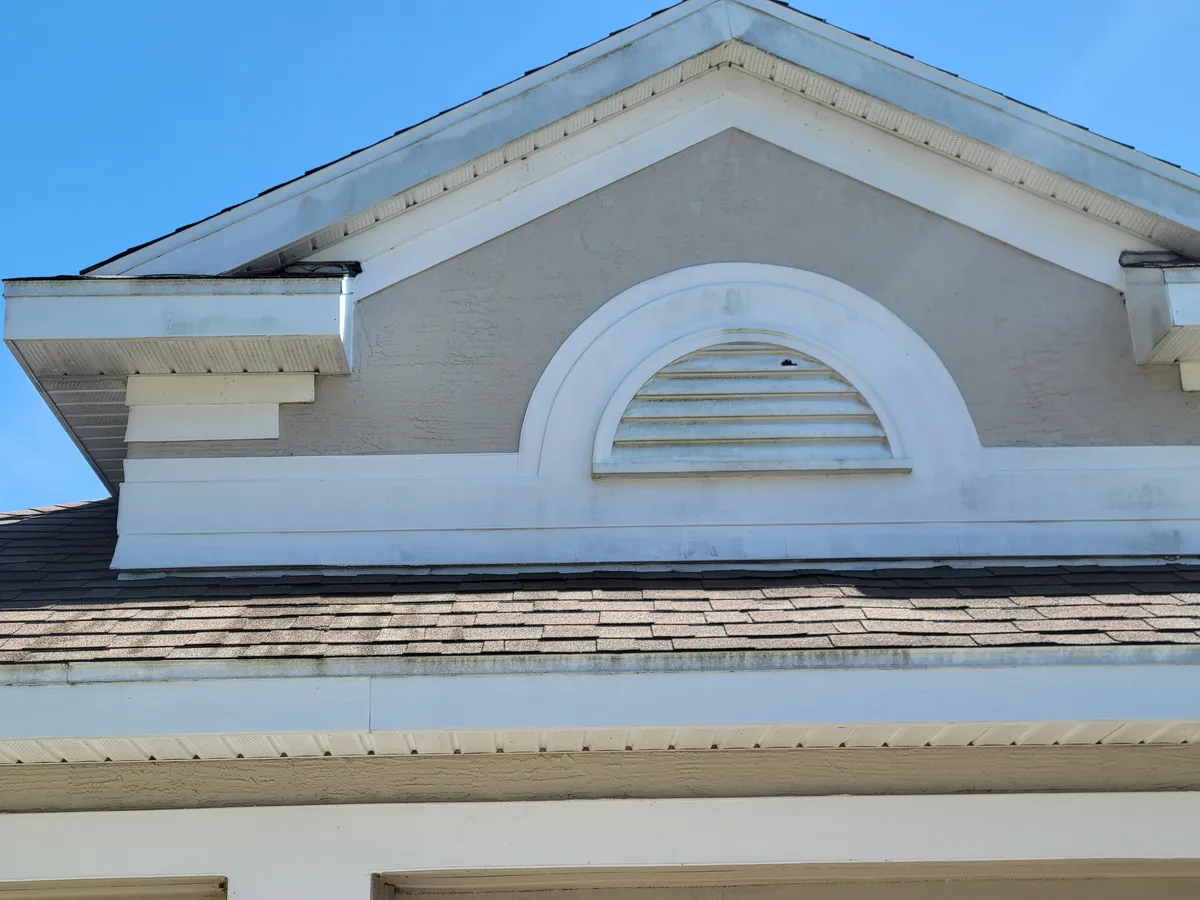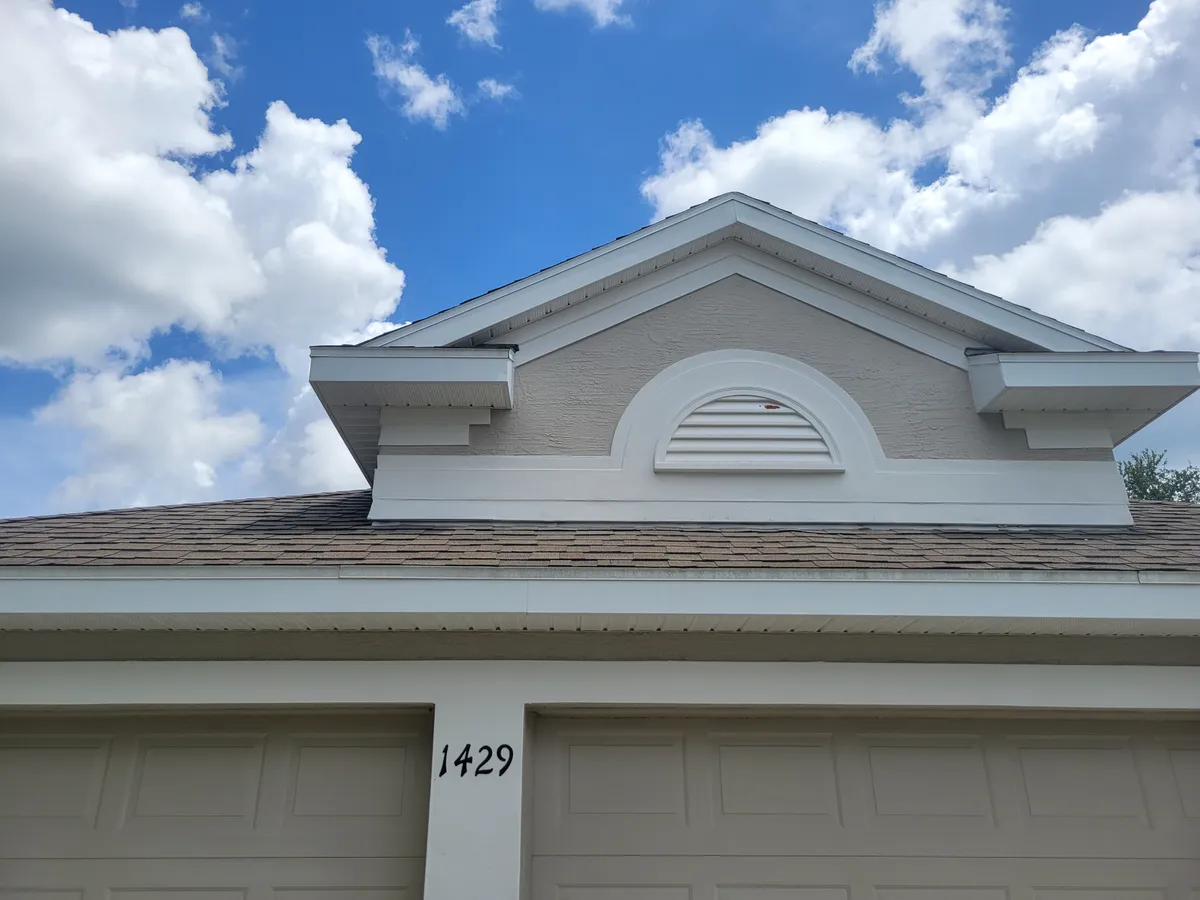
The honest answer is a range, not a single number, because it depends on how fast your particular lot grows algae and mildew. For most homes in Central Florida, that range is every 12 to 18 months.
Below: what sets that schedule, the one situation that shortens it, and how to tell your house is due before the staining gets bad enough to matter.
Why 12 to 18 Months Is the Baseline
Exterior growth, algae, mold, and mildew, needs moisture to establish and spread, and Florida gives it plenty. According to NOAA's state climate summary for Florida, Florida is the most humid state in the nation, and statewide annual precipitation averages 53.7 inches, with the heaviest rain falling June through September. The EPA’s guidance on mold is direct about the mechanism: no mold grows without water, and moisture control is the key to controlling it. A Central Florida exterior, walls, driveway, roof, pool cage, rarely dries out completely between storms for most of the year, which is the condition algae, mold, and mildew need to take hold and spread.
That combination of year-round warmth and near-constant moisture is why we tell most homeowners to plan on a full exterior cleaning, not just the driveway, every 12 to 18 months. It’s long enough that you’re not paying for cleanings before they’re needed, and short enough that growth doesn’t get the time to work into stucco texture, shingle granules, or concrete pores where it causes staining a simple wash won’t fully reverse.
The schedule: every 12 to 18 months
Heavy oak canopy or a canal-front lot is the one condition that shortens it, toward once a year.
The One Exception: Oak Canopy and Canal-Front Homes
There’s exactly one situation where that interval tightens. Homes under heavy oak canopy, or close to a canal, hold moisture longer than the rest of the neighborhood. The shade keeps walls and roofs from drying out after rain, and the extra humidity near standing water does the same thing. Those homes may need exterior washing closer to once a year instead of the usual 12 to 18 months.
That’s the only tighter interval we’ll give you. If your home doesn’t sit under heavy tree cover or near water, 12 to 18 months is the number to plan around, not something shorter based on a specific surface or a specific city.
Signs You’re Overdue, Regardless of the Calendar
The schedule is a planning tool, not a hard deadline. A few signs mean it’s time regardless of when the last cleaning happened:
- Green streaks or patches on north-facing or shaded walls. These areas dry out slowest and show growth first.
- Black streaks on the roof. That’s usually Gloeocapsa magma, a cyanobacteria species that feeds on shingle material, not ordinary dirt, and it only gets worse with time.
- An HOA letter. If your association flagged the exterior, you’re already past the point most of your neighbors would have scheduled a cleaning.
- You’re listing the house. Buyers judge curb appeal before they get out of the car, so a wash before photos and showings is worth doing even if you’re not yet at the 12 to 18 month mark.
It’s a Whole-Exterior Schedule, Not Just the Driveway
A lot of homeowners only think about pressure washing when the driveway looks bad, but the same climate conditions are working on every exterior surface at the same time. Walls, roof, pool cage screens, and gutters all pick up algae and mildew on a similar timeline, which is why a full house wash handles the whole exterior, roofline to foundation, in one visit rather than treating each surface as a separate decision.
The method matters as much as the schedule. Concrete, pavers, and brick can take real pressure, up to 3,000 PSI, and that’s the right tool for pressure washinghard surfaces. Stucco, siding, paint, and roofing cannot take that pressure without damage, which is why those surfaces get soft washed at under 500 PSI instead. Washing on schedule only helps if it’s done with the method that fits the surface. The wrong method on the right schedule still causes damage.
What a Full Exterior Wash Costs
Pricing depends on the surface and the square footage, but for most Central Florida homes: a full house wash, soft washing the siding roofline to foundation, runs $250 to $500. A driveway or hard-surface pressure washing runs $150 to $300. Roof cleaning runs $300 to $600.
Every estimate is free and done on site, with an exact price given before any work starts, and multiple services booked on the same visit get a bundled discount.