Concrete Sealing
Sealed concrete sheds water and stains instead of soaking them up. Seal it right after a cleaning, while the slab is bare and dry, and the next cleaning is a lighter job.
Classic Pressure Washing & Window Cleaning seals concrete driveways, patios, pool decks, walkways, and garage floors across Orange City, Volusia, Seminole, and Orange counties. Acrylic (wet look or matte) and penetrating sealers. Locks out moisture and blocks rust and organic staining. Most jobs cost $300 to $600. Best results right after a fresh concrete cleaning. 20 Google reviews, 20 of them five stars. Licensed, insured, locally owned since 2018. Free estimates, same-day response.
Why seal concrete in Florida?
Reviewed by Clark Sabo | Last updated September 20, 2026
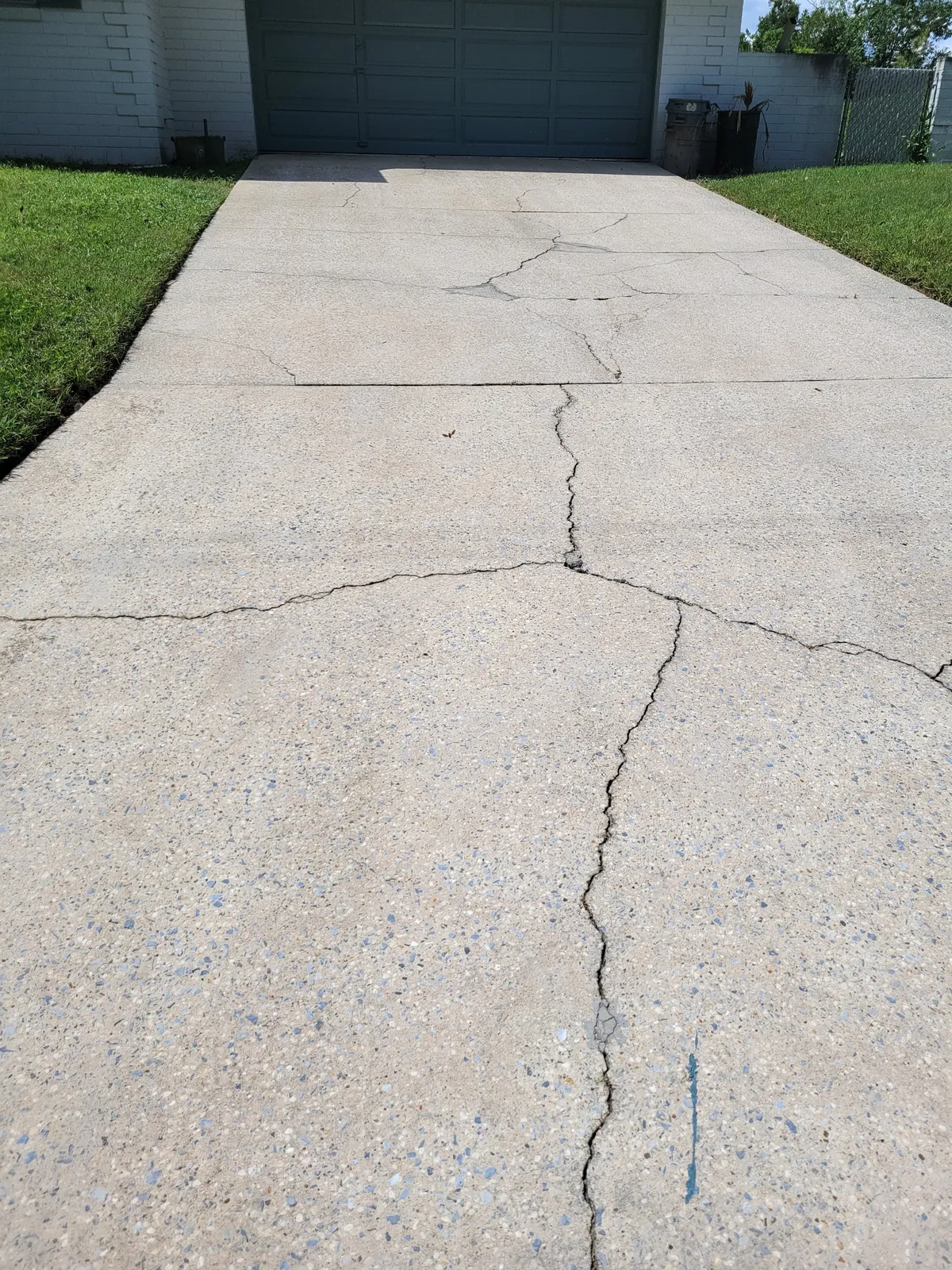
Concrete is porous. In Central Florida, every afternoon thunderstorm pushes water into the slab, and the water carries algae spores, mold, and dissolved minerals that stain it from the inside out. Sun breaks down the surface layer all year. Within 12 to 18 months of a concrete cleaning, an unsealed driveway looks like nobody ever touched it.
Sealing fills the pores with a barrier. Water beads on top instead of soaking in. Algae and mold can't anchor in the concrete. Rust from irrigation water sits on the sealer instead of bonding to the slab. Your concrete stays cleaner for longer, and the next cleaning is a lighter job. For the timing and the sealer choice in plain terms, read our post on when to seal a driveway after cleaning. The American Concrete Institute publishes guidance on protective treatments for exterior concrete if you want the technical side.
Acrylic sealers or penetrating sealers
Two kinds, and they work differently. Acrylic sealers form a film on top of the concrete. They come in wet look (glossy, darkens the surface) or matte (a light sheen, little color change). Homeowners pick acrylic for driveways, patios, and walkways when they want to see the improvement.
Penetrating sealers soak into the concrete and react with the minerals in the slab. They don't change the look of the surface at all, and they keep moisture and contaminants out. Pick a penetrating sealer for a pool deck, where an acrylic film would make the surface slick, or anywhere you want protection with no cosmetic change.
What we seal
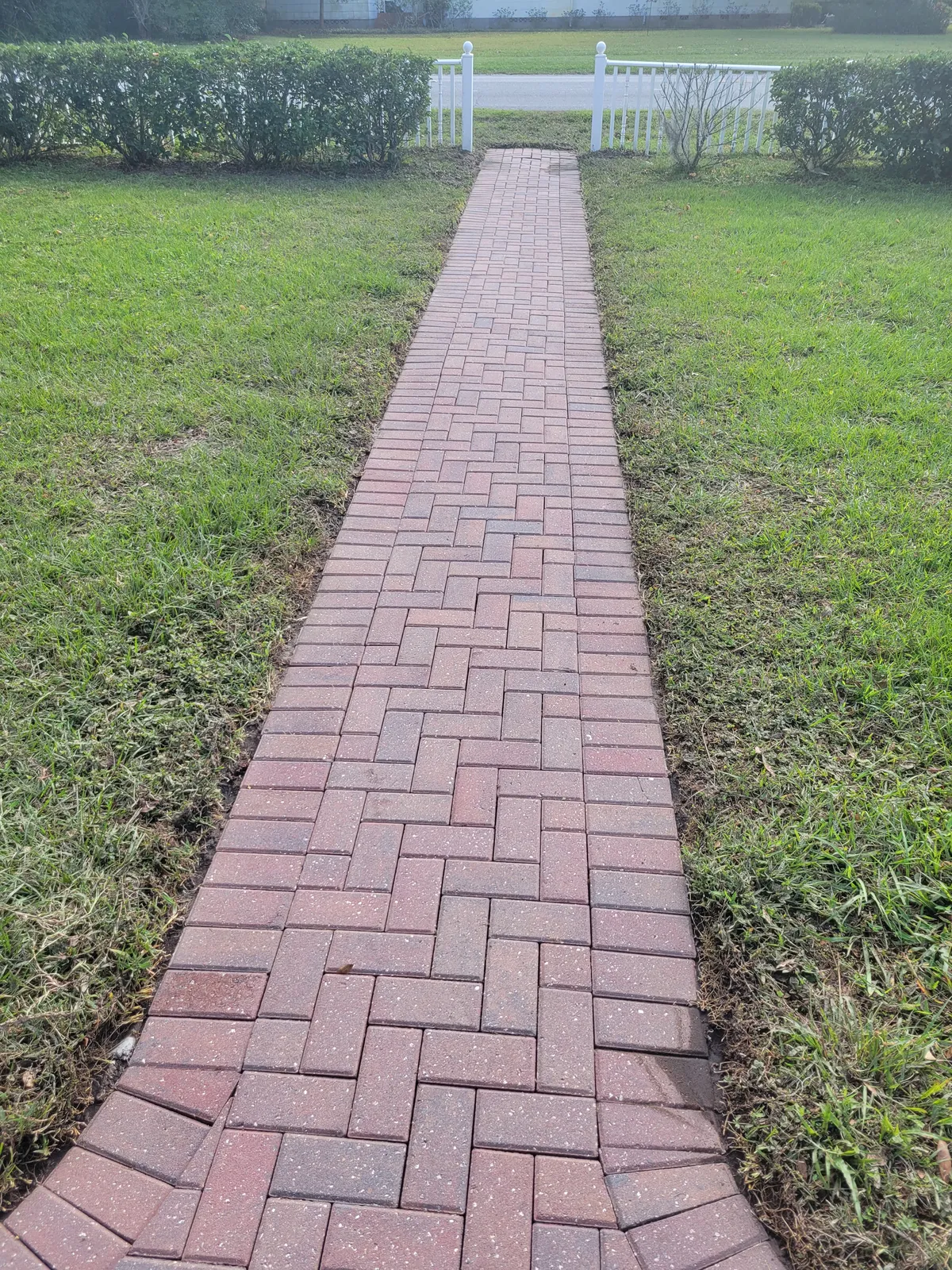
All poured concrete: driveways, patios, pool decks, sidewalks, walkways, and garage floors. Stamped, colored, exposed aggregate, and plain gray slab all take a sealer. This service is for poured concrete only. If you have brick or stone pavers, you need paver sealing, which uses different products made for jointed surfaces.
What concrete sealing costs
Most jobs run $300 to $600. Square footage moves the price most, then the condition of the slab and which sealer you choose. If the concrete needs cleaning first, we quote that as part of the same visit, and multiple services on one visit get a bundled price. You get an exact number on site before we start, and it does not change.
Best done right after a cleaning
Sealer bonds to the concrete surface. If algae, dirt, oil, or old flaking sealer is still on top, the new coat bonds to that layer instead and fails early. So we pressure wash the concrete down to bare surface first and let it dry completely before the sealer goes on.
We seal once the slab has dried out after the cleaning, so nothing grows back in between.
What sealing does between cleanings
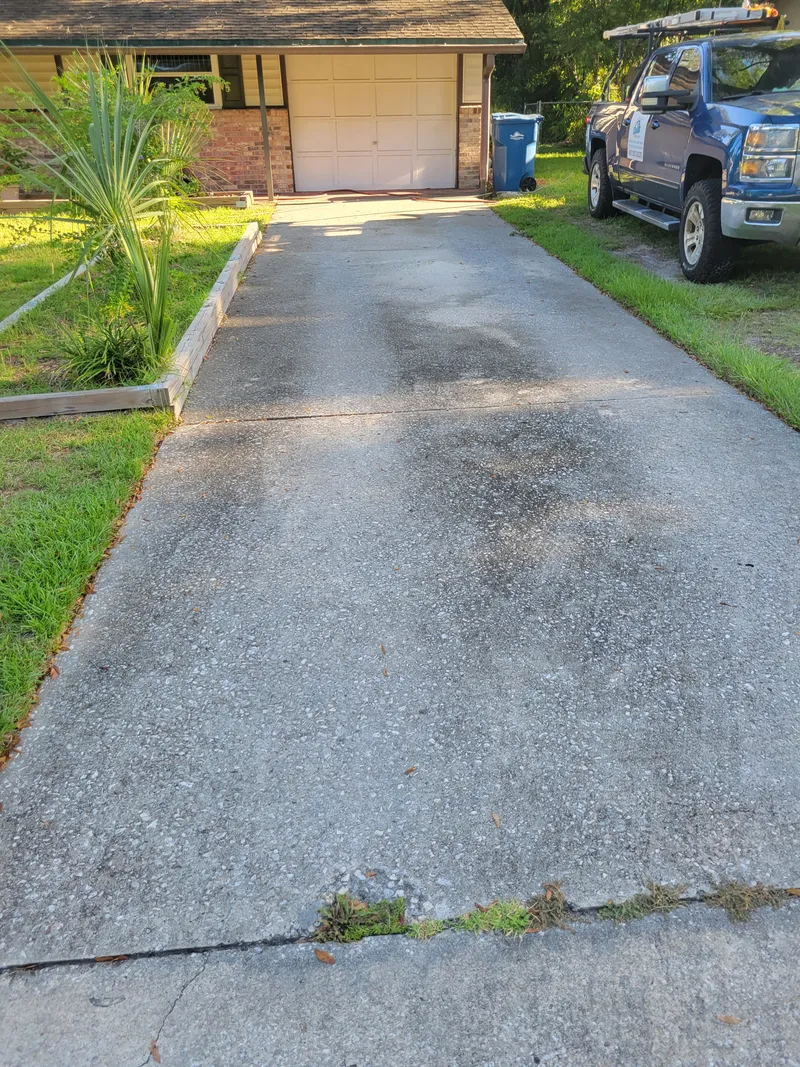
Sealer keeps algae and mold from anchoring in the pores. Driveways show the difference most. When growth does appear on a sealed surface, it sits on the coating and comes off faster at the next cleaning. Sealer wears down over time, so resealing is periodic. We look at how the slab is holding up and tell you when it is due.
What's included
- Cleaning first, down to bare concrete
- Sealer applied to the slab and the joints
- Acrylic (wet look or matte) or penetrating sealer, chosen with you
- Most jobs $300 to $600
- Free on-site estimate, exact price before we start
Cleaning + sealing together
Sealer goes on after a concrete cleaning, so it bonds to a bare, dry surface. Book both and ask for a combined quote.
Concrete Sealing FAQ
What is the difference between concrete sealing and paver sealing?
How much does concrete sealing cost in Central Florida?
Should I seal my concrete right after it is cleaned?
What is the difference between acrylic sealers and penetrating sealers?
How long does concrete sealer last in Florida?
Can you seal stamped or colored concrete?
Do I need to stay off my driveway after sealing?
Related Services
Concrete sealing pairs with cleaning and hardscape work for the best long-term results.
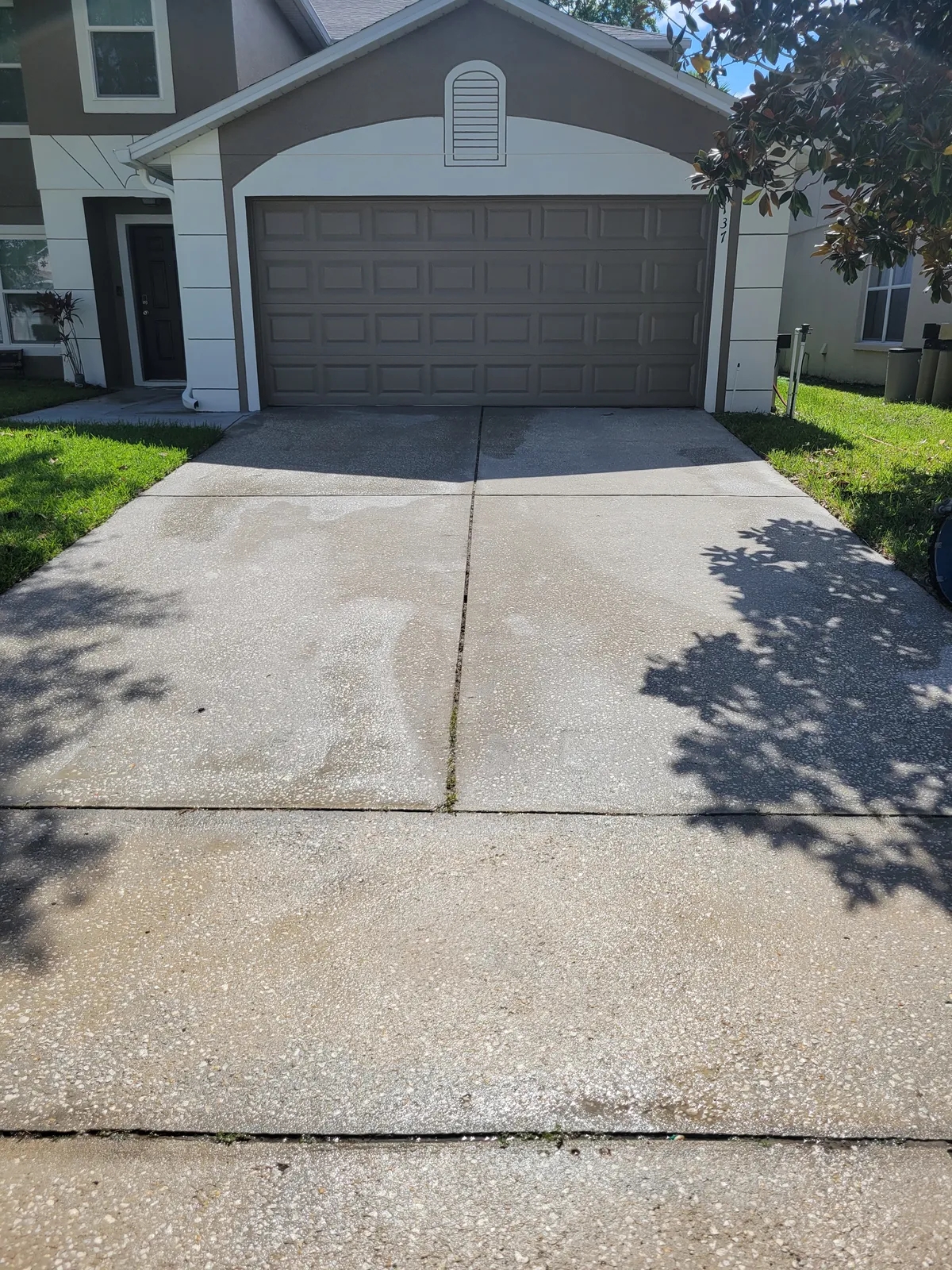
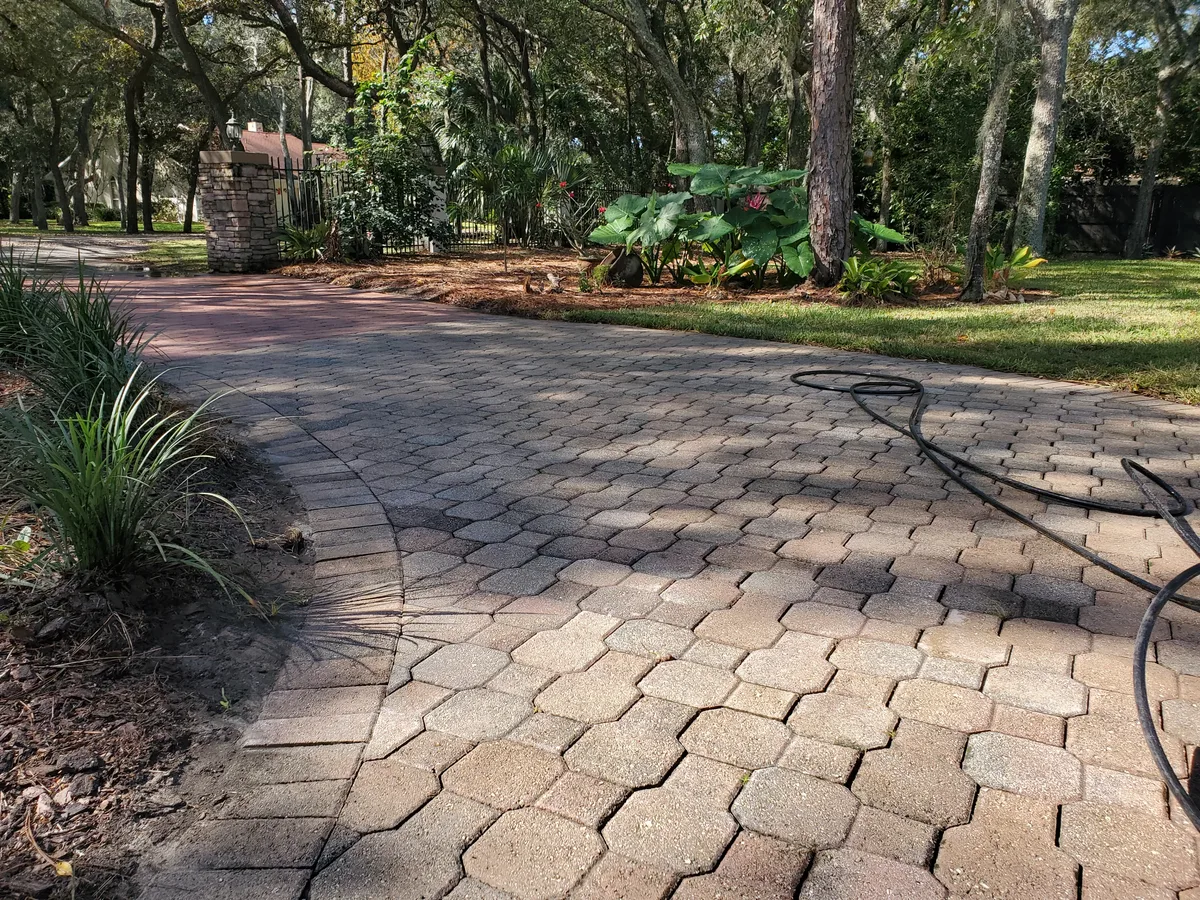
Concrete Sealing across Central Florida
Get a free estimate
- Exact price before we start, no surprises
- Most jobs done in a single day
- We respond within hours, not days
Clean concrete fades. Sealed concrete holds.
Lock out moisture, block staining, and make the next cleaning a lighter job. Free estimates across Volusia, Seminole, and Orange counties.
Call (407) 587-6335