The difference between pressure washing and power washing is water temperature. Pressure washers use cold or ambient water. Power washers heat the water to 130–250°F using a built-in heating element. Both operate at similar PSI ranges. For residential cleaning, cold-water pressure washing handles everything your home needs, and it’s what the vast majority of contractors use.
If you’ve been Googling “pressure washing vs power washing” trying to figure out which one to book, here’s what actually matters and what you can safely ignore.
What Is the Difference Between Pressure Washing and Power Washing?
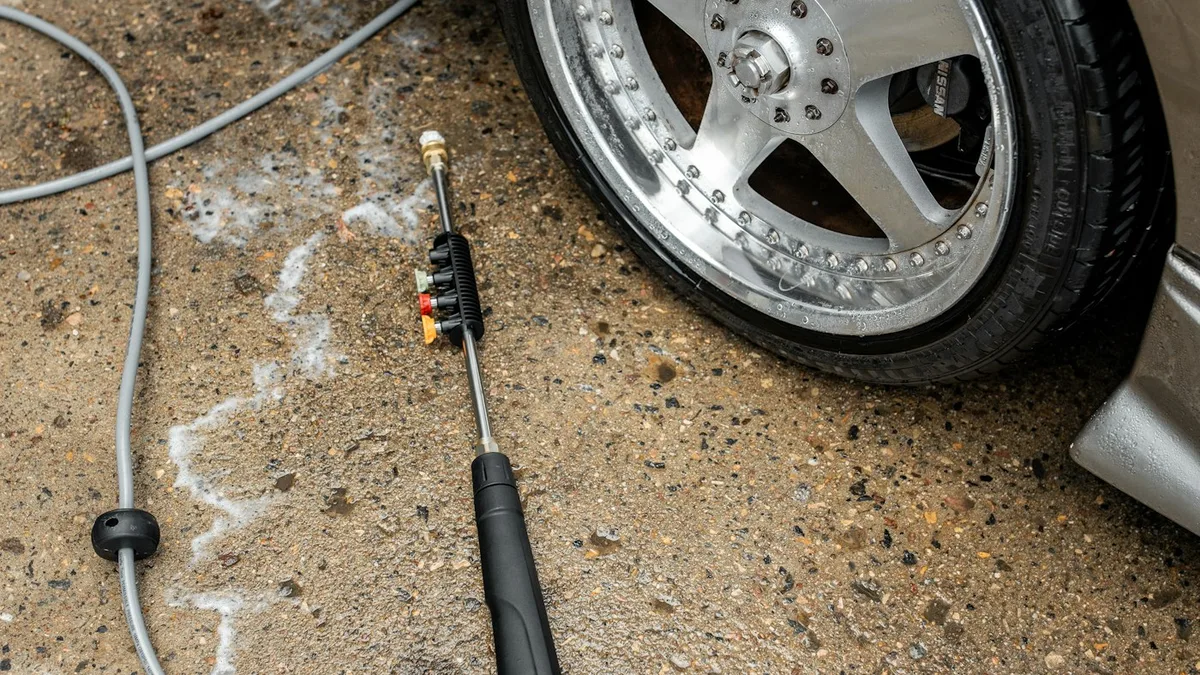
It comes down to one thing: heat. A pressure washer pulls water from a standard garden hose and pushes it out at high pressure, up to 3,000 PSI on hard surfaces in our case. The water stays at whatever temperature comes out of the tap.
A power washer does the same thing but adds a heating element that raises the water temperature before it leaves the nozzle. We’re talking 130–250°F. That heated water is better at breaking down oily, greasy, or petroleum-based deposits, the same reason you wash greasy dishes with hot water instead of cold.
In common usage, most people say “power washing” and “pressure washing” to mean the exact same thing. Search engines treat them that way too. But if you’re talking to a contractor or shopping for equipment, the distinction is real: power washing = hot water, pressure washing = cold water.
What Is Pressure Washing (Cold Water)?
Cold-water pressure washing is what most residential and commercial exterior cleaning companies use, including us for everything except oil and grease. The machines are reliable, relatively affordable, and effective on every surface a homeowner cares about: driveways, sidewalks, patios, pool decks, pavers, stucco, siding, roofs, and fences.
For organic growth like algae, mold, mildew, and the black streaks you see on Florida roofs and driveways, cold water combined with the right cleaning solution does the job. Many professional-grade cleaners now carry EPA Safer Choice certification. The chemicals kill the growth, and the pressure removes it. This is how soft washing works on delicate surfaces, and how standard pressure washing works on hardscapes.
What Is Power Washing (Hot Water)?
Hot-water power washing has a specific niche: cutting through oil, grease, gum, and industrial residue. The heated water breaks the bond between these substances and the surface faster than cold water can.
Where you’ll actually see power washers in use: restaurant grease traps and kitchen exhaust hoods, gas station pump pads, auto repair shop floors, loading docks, manufacturing plants, and commercial kitchen equipment. These are all environments with heavy petroleum or animal-fat buildup that cold water struggles to dissolve.
The machines themselves cost significantly more. They’re also heavier, more mechanically complex (the heating element needs fuel or electricity), and require more maintenance. That cost gets passed on to the customer.
How Do Pressure Washing and Power Washing Compare?
Here’s a quick breakdown of how the two methods compare:
Need your driveway, house, or pool cage cleaned?
We use the right method for every surface. Free estimates, no obligation.
Get a Free EstimateWhich One Does Your Home Need?
For residential properties, the answer is pressure washing (cold water) paired with soft washing for delicate surfaces. That combination covers everything:
- Driveways & sidewalks: high-pressure cold water strips out tire marks, dirt, and algae from concrete and pavers
- Stucco, siding & painted surfaces: soft washing with cleaning solution kills mold and algae without damaging the finish
- Roofs: low-pressure soft wash removes black streaks without cracking tiles or voiding warranties
- Pool cages & screens: gentle pressure cleans every panel and frame without tearing screens
- Fences & patios: the right PSI and nozzle for the material, whether it’s wood, vinyl, or concrete
None of these jobs require heated water. The dirt, algae, mold, and mildew on residential surfaces respond to pressure and cleaning chemicals. Hot water doesn’t give you a better result on these materials, it just costs more.
Why Most Florida Homes Don’t Need Power Washing
Florida’s exterior cleaning challenges are biological, not industrial. The stuff building up on your home is algae, mold, mildew, pollen, and tannic acid from oak trees. These are organic growths that respond to surfactants (cleaning chemicals) and mechanical removal (water pressure). Heat doesn’t add anything to the equation.
If you called five pressure washing companies in Central Florida, all five would show up with cold-water machines. That’s the industry standard for residential work, and it has been for decades. The only scenario where a homeowner might genuinely benefit from a hot-water machine is a heavily oil-stained garage floor or a driveway with deep petroleum buildup, and that is the one job where we bring out our hot water unit.
So if a company in your area advertises “power washing” for homes, they’re almost certainly using the same cold-water equipment everyone else uses. The name is different, the service is the same. Don’t pay a premium for a hot-water treatment you don’t need.
The Bottom Line
Pressure washing uses cold water; power washing uses heated water at 130–250°F. For residential homes in Florida, cold-water pressure washing handles every common surface, including driveways, roofs, stucco, and pool cages. Hot-water power washing is designed for industrial grease and oil removal. Most homeowners will never need it.