By Clark Sabo, Owner of Classic Pressure Washing (8+ years in Central Florida) | Published September 7, 2026
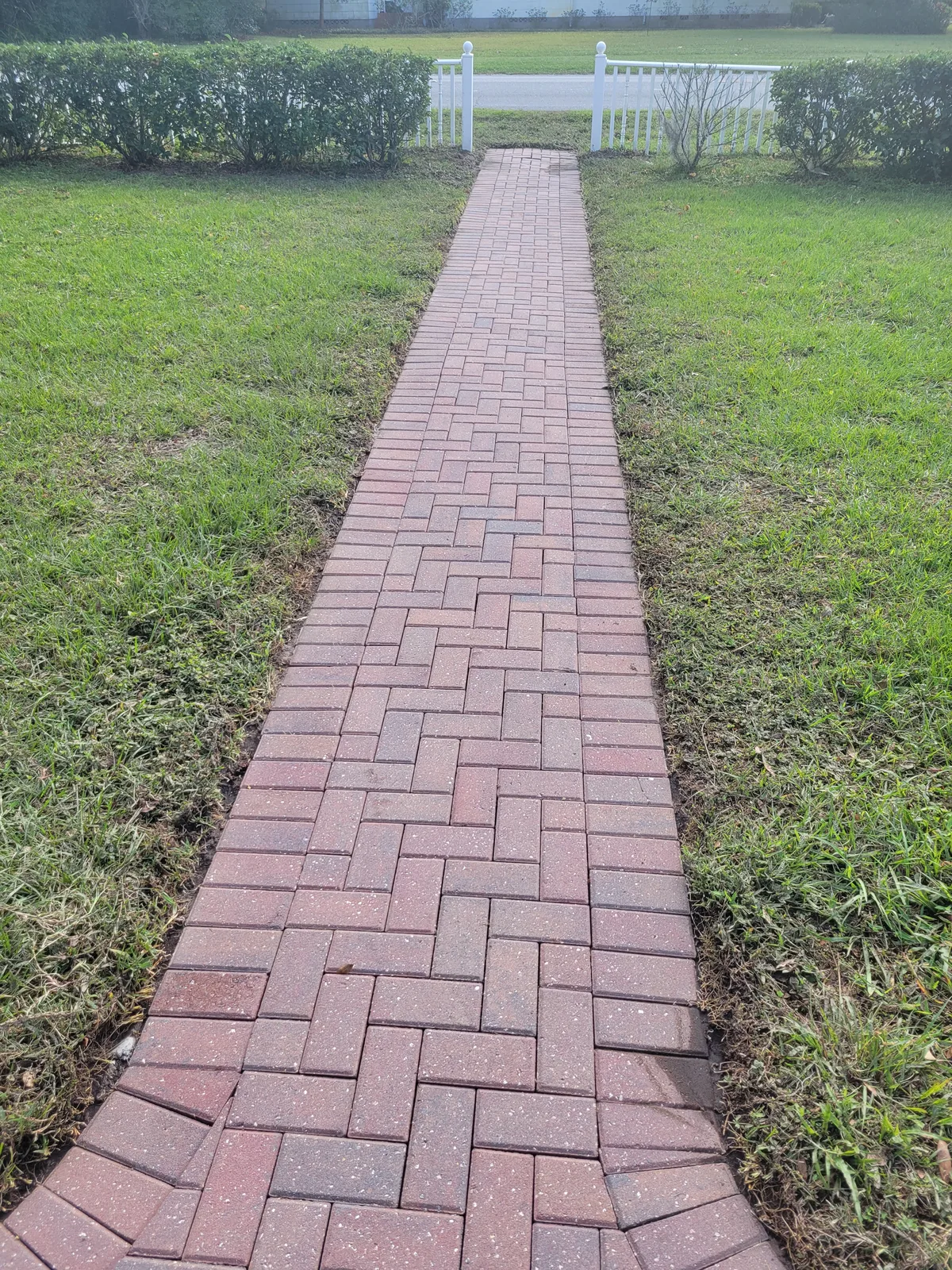
Wet look and natural finish paver sealant look completely different but do the same job underneath: lock in color, block moisture and UV, and bind the joint sand between pavers into a firm, weather-resistant joint. Most homeowners focus on picking a finish. The bigger reason to seal at all is what happens to unsealed joint sand in Florida’s climate, where it breaks down and has to be replaced without protection, and sealing is one of the few things that measurably slows how fast algae regrows on pavers between cleanings. More on the method itself in our complete guide to pressure washing in Florida.
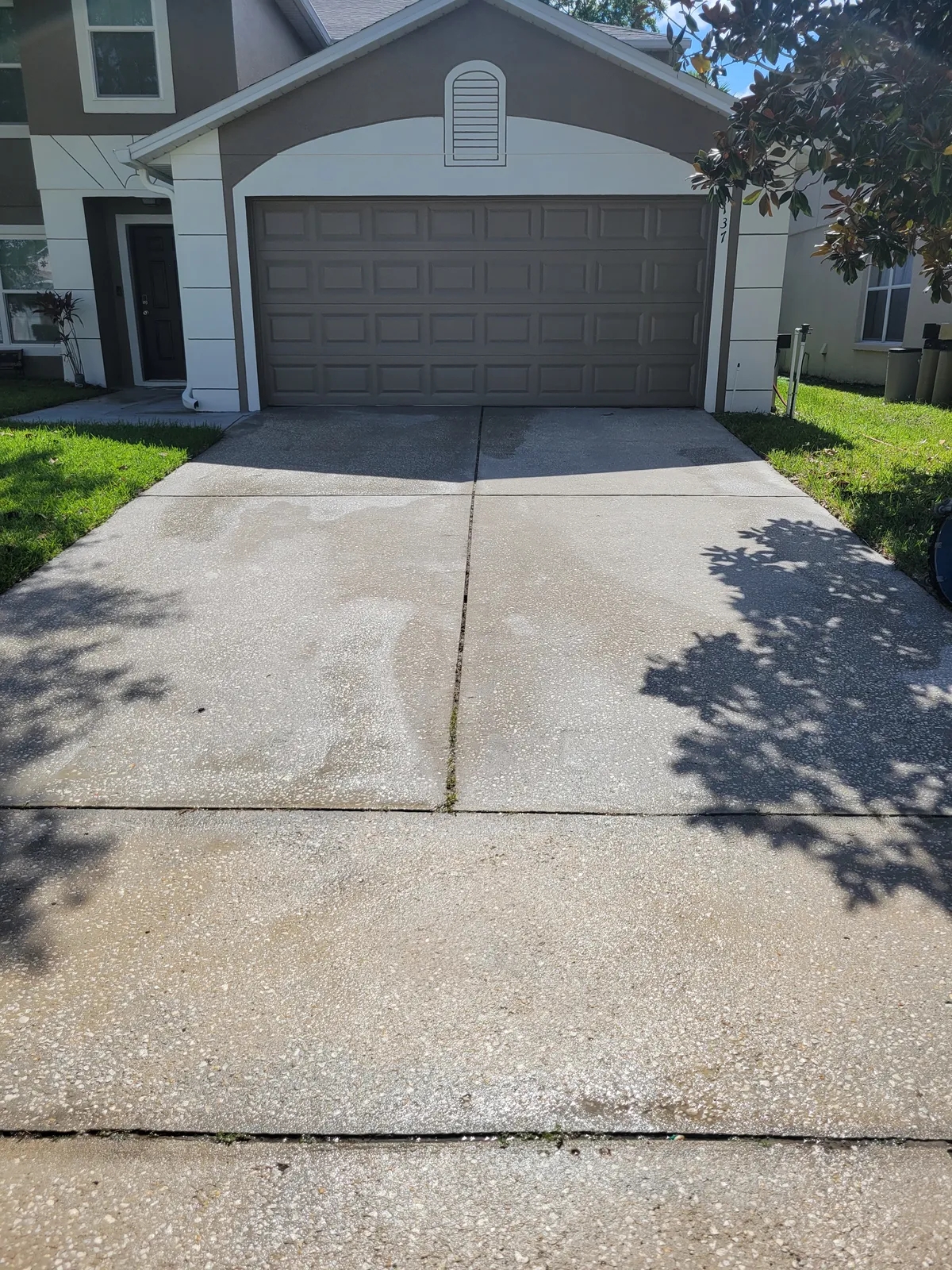
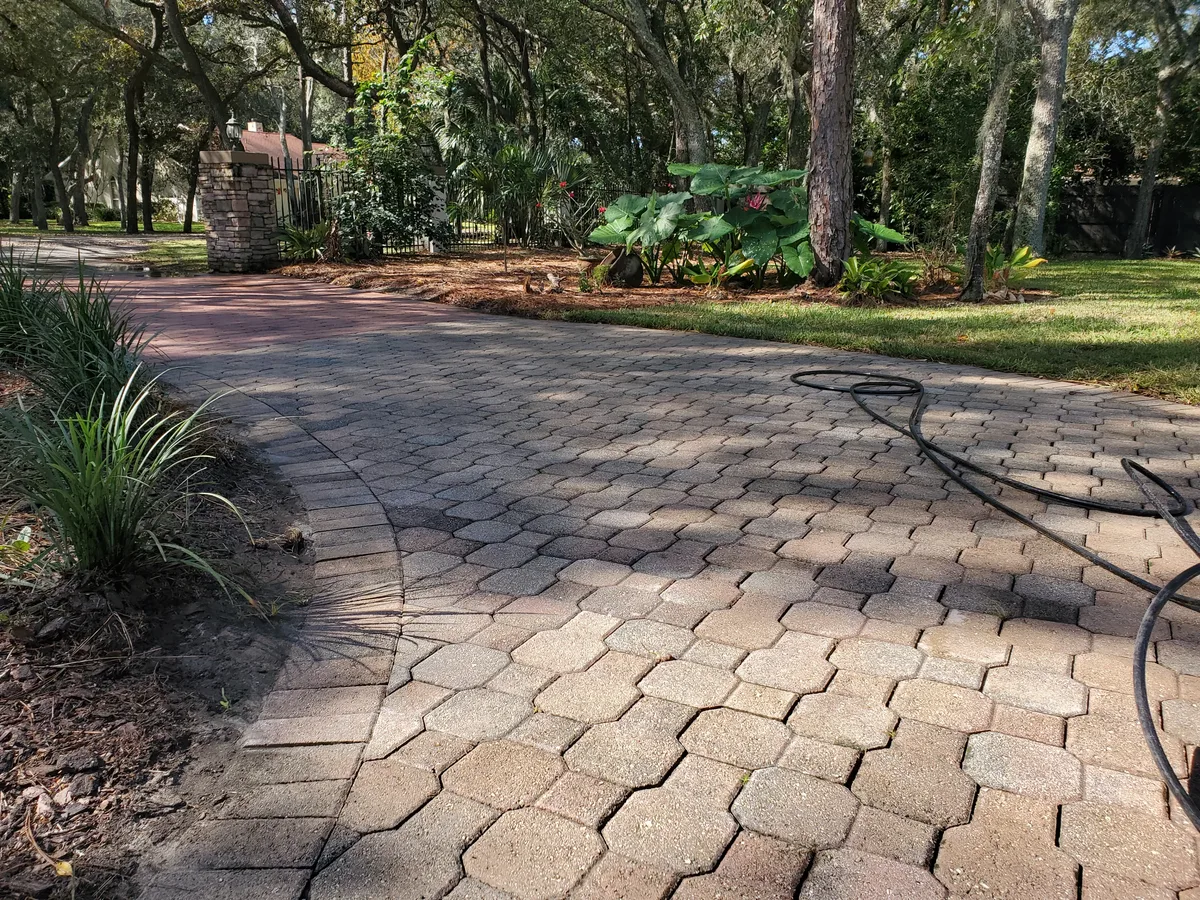
Large estate driveways in communities like Lake Mary, with their multi-car driveways and strict HOA standards, are exactly where this shows up first: joint sand erosion and fading color both start well before anyone would call the pavers “dirty.”
Wet Look vs Natural Finish: The Actual Difference
Both finishes protect equally well. The choice is purely about which look you want on your particular pavers, which is why bringing physical samples to a driveway before applying either one matters more than reading a description online.
The Part Most Homeowners Miss: Joint Sand
Half the value of paver sealing happens below the surface, in the joints. Sealant soaks into the joint sand and binds it into a firm, weather-resistant joint that holds pavers in place, one that weeds can’t push through, ants can’t excavate, and rain can’t wash out. Without sealing, polymeric sand breaks down in Florida humidity and has to be replaced. Sealed joints hold up longer, so you get fewer weeds, fewer ant hills, and pavers that stay put instead of shifting under vehicle weight.
The Concrete Masonry and Hardscapes Association (CMHA) calls sealing the single most effective step homeowners can take to extend the life of an interlocking concrete pavement. Most of that benefit comes from what it does to the joints, not just the surface color.
We bring both finishes to the estimate
See wet look and natural finish on your actual pavers before deciding. Most jobs run $300 to $800.
Get a Free EstimateWhy Sealing Should Follow Cleaning, Not Replace It
Sealant bonds to the paver face. If algae, dirt, or old degraded sealant is still on the surface, the new coat bonds to that layer instead of the paver and peels or flakes within months. That is why paver cleaning and re-sanding always comes first, with paver sealing scheduled right after so nothing has time to grow back in between. Techniseal, one of the manufacturers used across the industry, publishes the same guidance: surface prep determines whether a sealant job lasts or peels.
When to Reseal
Sealant wears faster on driveways that see regular tire traffic than on patios and pool decks with lighter use. Unsealed pavers lose visible color and start showing joint erosion first, so resealing before the coating wears through keeps both the color and the joint structure ahead of the wear curve instead of chasing it.