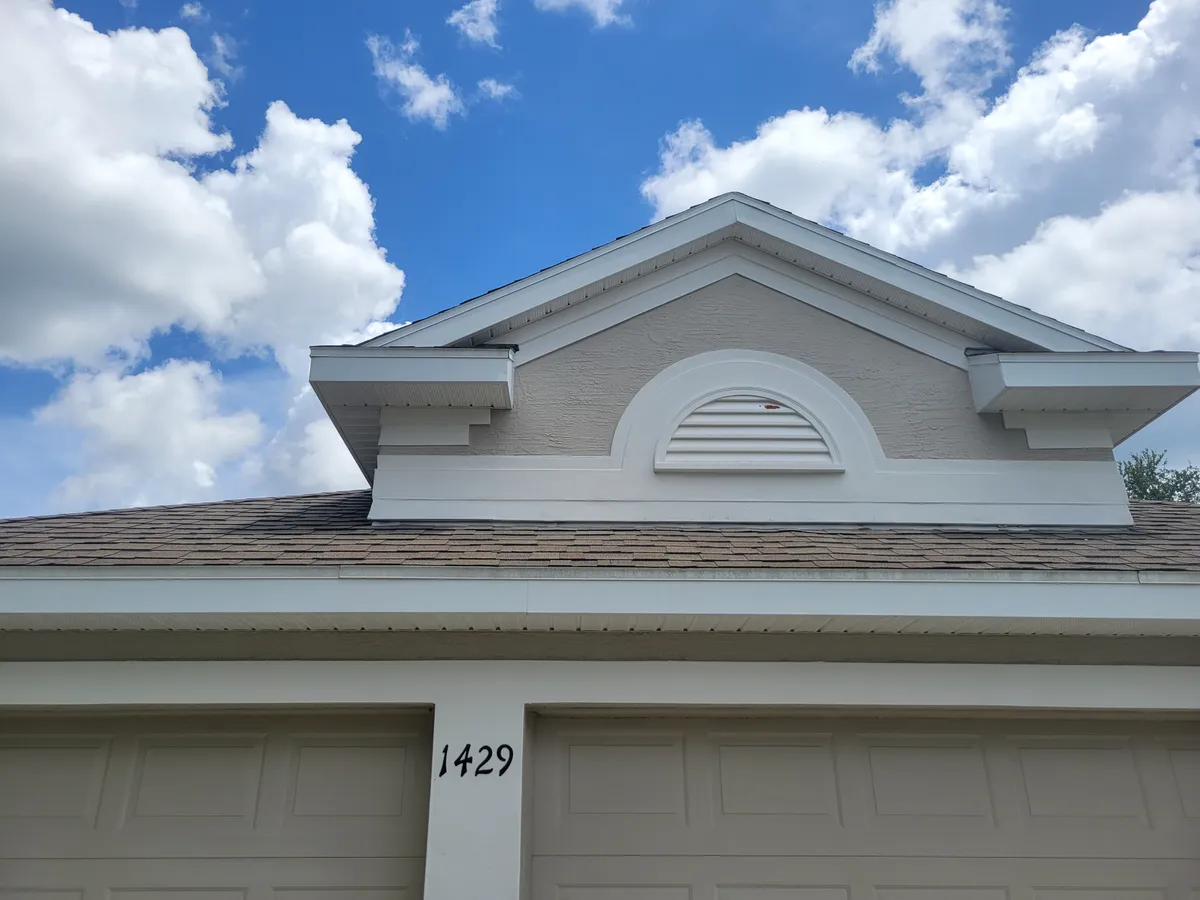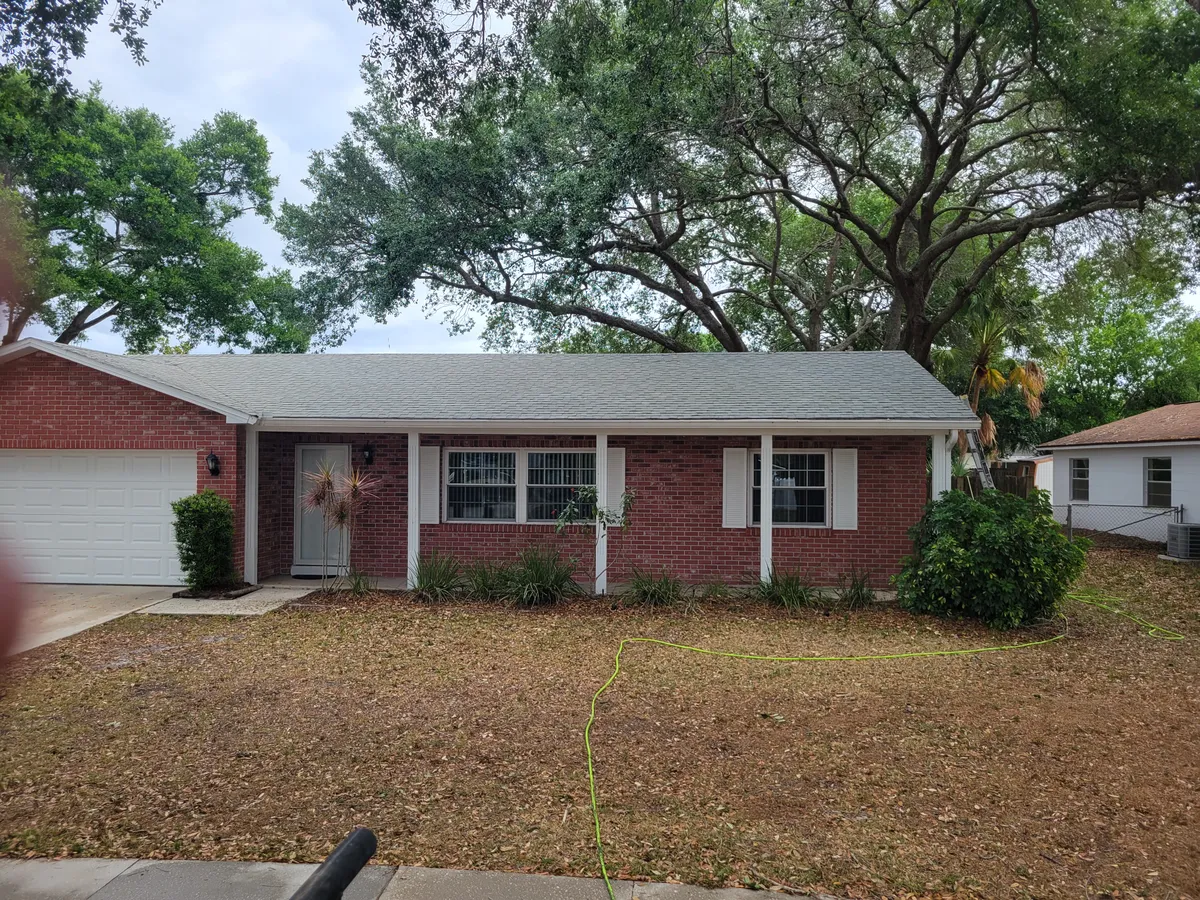
Black streaks on Florida roofs are caused by Gloeocapsa magma, a cyanobacteria that feeds on shingle material and thrives in humid climates. Left untreated, it degrades roofing, lowers home value, and can trigger insurance non-renewals. A professional soft wash costing $300 to $600 removes the growth safely.
This is what grows on your roof, why it matters, and when to have it cleaned.
What Causes Black Streaks on Florida Roofs?
The dark streaks running down Florida roofs are caused by Gloeocapsa magma, a species of cyanobacteria that thrives in warm, humid environments. It feeds on the limestone filler used in asphalt shingles and on the moisture that collects on roof tiles.
The bacteria produces a dark, UV-protective sheath that gives it that characteristic black appearance. It's not dirt, and it's not mold, although mold, lichen, and algae often grow alongside it in Florida’s climate. Once it takes hold, it spreads across the roof surface, following the path of water runoff.
Left alone, the bacteria gradually degrades roofing material. On shingle roofs, it breaks down the granules that protect the asphalt from UV damage. On tile roofs, it works into the porous surface and can cause discoloration that becomes permanent if left too long.
How a Dirty Roof Affects Your Home Value
Curb appeal is the obvious factor. A roof covered in black streaks makes the entire home look neglected, regardless of how well-maintained the rest of the property is. If you're planning to sell, a clean roof costs a fraction of a new roof but dramatically changes how the house looks from the street.
Appraisers notice dirty roofs too. A home appraiser may note roof staining as deferred maintenance, which can affect your appraisal value and complicate refinancing or home equity applications. Buyers and their inspectors will almost certainly flag it during due diligence.
How Does a Dirty Roof Affect Your Home Insurance?
This is where most Florida homeowners are caught off guard. Insurance companies in Florida have tightened their stance on roof condition over the past several years, as documented by the Florida Office of Insurance Regulation:
- Non-renewal risk. If an insurer determines your roof is in poor condition based on its visual appearance, they may refuse to renew your policy. In Florida’s tight insurance market, finding a new carrier at a reasonable rate can be extremely difficult.
- Rate increases. Even if your policy is renewed, a roof flagged as poorly maintained can result in higher premiums. Insurers factor perceived roof condition into their risk assessment.
The key thing to understand is that insurers often can’t tell the difference between a structurally sound roof with cosmetic staining and a roof that’s deteriorating. A $300 to $600 roof cleaning can prevent a situation where your insurance carrier questions the condition of your roof and takes action that costs you far more.
Consider the math: a professional roof cleaning runs $300 to $600. A full roof replacement, which is what your insurer may demand if they flag your roof, costs many times that. Regular cleaning is the cheapest insurance policy for your actual insurance policy.
Need your roof cleaned for insurance?
We provide free, no-obligation estimates across Central Florida. ARMA-approved soft wash method only.
Get a Free EstimateHow Often Should You Clean Your Roof?
For most Florida homes, we recommend roof cleaning every 12 to 18 months, on the same cycle as the rest of the exterior. Some properties need it sooner:
- Homes near bodies of water or in heavily wooded areas see faster buildup.
- North-facing roof slopes that stay shaded tend to develop staining faster than sun-exposed surfaces.
- Barrel tile roofs and lighter-colored shingles show staining earlier and more visibly.
- If your insurance company has flagged your roof or sent a notice, you should act promptly rather than waiting for the next cleaning cycle.
The best approach is to check your roof visually at least once a year. If you can see dark streaks from the ground, it's time to call a professional.
Why Roofs Should Always Be Soft Washed
This isn't a matter of preference. High-pressure washing will damage your roof. At the pressure used on concrete, up to 3,000 PSI, a pressure washer can crack and dislodge shingles, break roof tiles, strip the protective granules off asphalt shingles, and force water under the underlayment where it causes leaks, rot, and mold.
The Asphalt Roofing Manufacturers Association (ARMA) warns against high-pressure cleaning on asphalt shingle roofs, and it can void a roof warranty. If you hire a company that pressure washes your roof instead of soft washing it, you could lose both your roof warranty and face costly repairs.
Soft washing uses a specialized cleaning solution applied at low pressure, typically under 500 PSI. The chemicals kill the bacteria, algae, and mold at the root, and then a gentle rinse removes the residue. The result is a clean roof with zero risk of pressure damage. The treatment also inhibits regrowth, so your roof stays cleaner longer compared to pressure washing, which only removes the surface layer without addressing the underlying organisms.